By / May 19, 2015 / According to recent research from the, most companies do performance evaluations annually. But giving employees feedback more often can make the process easier and more effective as well, according to a. Here are six tips for effective mid-year performance reviews.
Start with a Plan Before the meeting, review past performance plans to see if there’s an ongoing issue that needs a more intense improvement plan — such as a 30- or 60-day plan that focuses on just that aspect and requires concrete, measurable improvement or imposes stronger consequences. If there aren’t any performance issues, simply outline areas the employee should focus on to advance professionally, and then discuss goals with the employee during the review. Zebra 2 Vst. Take a Broad View Reviews should focus on all aspects of performance.
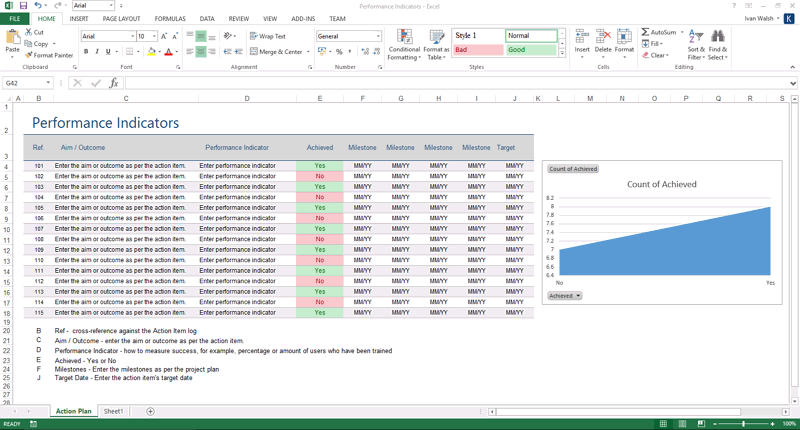
That could include include feedback on attendance, how well the employee works with others, how they complete assigned tasks, whether they take initiative, their knowledge base, time management skills and any other performance metrics you measure. Evaluate each performance petric individually and make notes on areas that need the greatest improvement. Get Specific Ideally, you’ve prepared for the performance review by taking notes about the employee’s performance since the last review. Tracking performance, both good and not so good, means you need to be taking notes or filling out a log regularly throughout the performance period. Wondershare Mobiletrans Serial Mac on this page. Having specific facts and examples about an employee’s performance makes it easier for the employee to understand your point of view.
Document Everything Any performance review should be carefully documented. If the mid-year review is serving as a checkpoint for the employee, documenting the meeting can provide an easy reference for course correction. Keep mid-year review documentation — forms and rankings — consistent with your annual review process; inconsistent reviews can be confusing to employees.
These documents, which track an employee’s performance over time, can be vital in case of a termination. An accurate, objective process ensures that everyone is on the same page. If you fire someone who’s had excellent performance ratings over time, that can send a contradictory message in case of an unemployment hearing or EEOC claim. Be Supportive Highlight what the employee is doing well, then touch on what needs to be improved. Try to avoid negative words such as “deficiencies.” Showing employees that there are paths for improvement and that the employer is willing to help them can make the process open and supportive. Being friendly but factual can make the mid-year performance review effective.